Property Team Insight - Baltimore, MD

Hotel Porte Cochere and Entrance Cleaning Plan

Hotel entrances concentrate guest traffic, vehicle movement, signage, lighting, and brand presentation, so their cleaning plan needs more coordination than a generic exterior wash. For Baltimore property managers and building engineers, the first step is a property-specific review of surfaces, access, water, drainage, traffic, weather, and the finish the building needs.

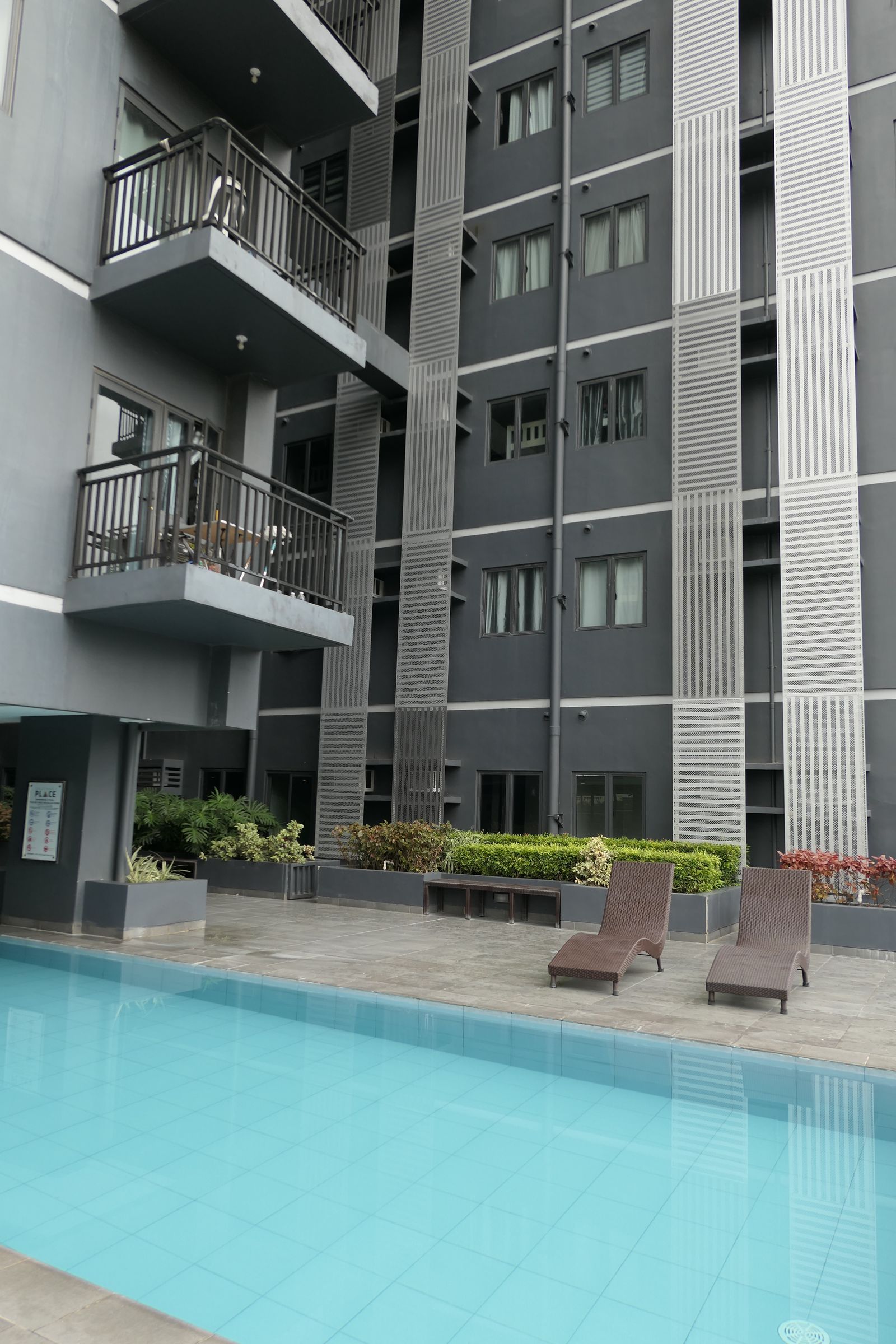
Modern multistory hotel exterior with balconies and guest areas
Hospitality work plans account for arrivals, guest circulation, balconies, and operating windows.
Baltimore Building Care

Map the guest experience

Review arrivals, valet, check-in, breakfast, meetings, events, loading, and accessible routes before choosing the work window. The cleanest result is not useful if the active zone creates avoidable disruption.

Baltimore Building Care

Scope the structure

Identify canopy tops and undersides, columns, sign bands, glass, soffits, curbs, bollards, and adjacent pavement. Note which areas need soft washing, contact detail, lift access, or another specialty trade.

Baltimore Building Care

Leave a repeatable record

A closeout report should show completed zones, photos, guest-flow controls, weather changes, remaining marks, and a recommended cadence that an owner or hotel engineering team can reuse.

Local Planning Lens

Build the scope around seasonal use and active properties.

Mid-Atlantic properties often balance seasonal pollen, wet weather, freeze-thaw exposure, and busy tenant or guest movement. A useful scope documents the building zones and the operational limits before equipment is selected.

  • Separate entrance, canopy, facade, glass, and lower-wall conditions before quoting.
  • Account for pollen, rain, and winter residue without assuming one chemistry fits every surface.
  • Map sidewalks, valet, loading, parking, and tenant paths around the work zone.
Next Step

Turn the question into a property-specific scope.

The guide is a starting point. Surface, access, traffic, weather, water, and the required finish determine the right next step for the building.